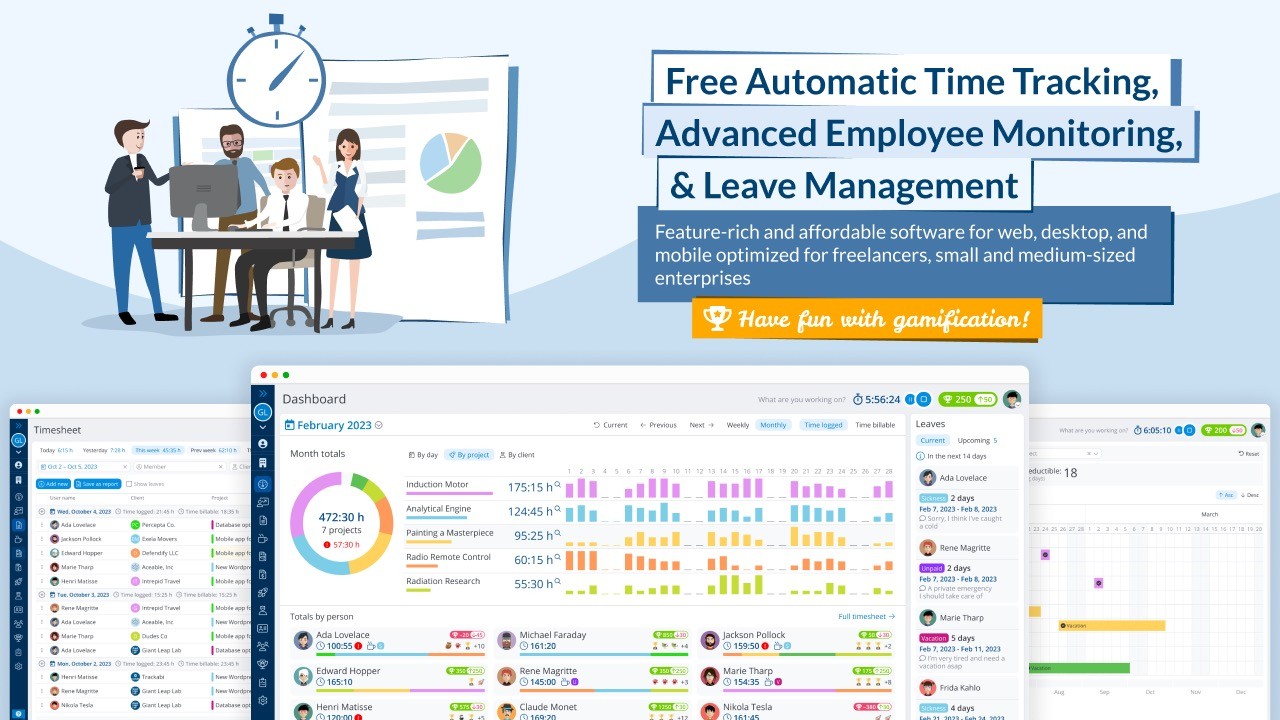
Trackabi Time Tracker AppOperations Analysis
“Don't build another generic time tracker—build the 'Toggl for Agencies' with the integrations they actually need.”
Worth Studying
Demand appears real and the incumbent looks vulnerable enough to justify deeper validation.
Worth Studying
Demand appears real and the incumbent looks vulnerable enough to justify deeper validation.
Medium-High
Based on revenue, reviews, strategy fit, and visible downside signals in the current dataset.
Demand exists, wedge unclear
This tells you how much of the current read is supported by strong in-platform evidence versus thin or ambiguous signal.
Confirm that premium pricing reflects real willingness to pay, not edge-case packaging.
Operators who know a niche customer segment and can sell a more specialized premium solution.
Generalist founders with no clear customer segment or no path to higher-value buyers.
Time tracking is competitive. Must differentiate through vertical focus (agencies) and superior integrations. Cannot win as 'another Toggl clone'.
Revenue and review volume suggest this market is real.
There are early signs of friction, but not enough to call it a strong wedge.
Current pricing suggests users may pay enough to support a focused product.
There may be a wedge here, but the competitive gap is still ambiguous.
Still needs off-platform confirmation from search demand, communities, or customer interviews.
“Remote team management anxiety—owners need visibility into distributed work without micromanaging.”
Time tracking is competitive. Must differentiate through vertical focus (agencies) and superior integrations. Cannot win as 'another Toggl clone'.
The 4-Dimension Scorecard
$186k+ revenue with 188 reviews shows strong market validation and willingness to pay for time tracking solutions.
4.7 rating is high, but review volume reveals specific, fixable pain points (missing API) that create an opening for competitors.
No unlimited AI/storage red flags. Desktop apps and team management create solid value anchor. One-time payment model is stable.
Direct competitor Toggl is strong, but their weakness is high price for agencies. Manual tracking (Excel) still exists but is fading.
The Opportunity Radar
Deep Review Mining & Gap Analysis
Pain & Gaps
"Users need to connect time data to invoicing, payroll, and project management systems—critical for agency workflows."
"Desktop-only limits on-the-go tracking for consultants and field workers mentioned in review patterns."
Niche Discovery
"Multiple reviews specifically mention 'our agency', 'web design agency', 'remote teams'"
"Review states: 'If my VA's don't use it, they simply don't...' showing VA-specific use case"
Marketing Angle
The only time tracker built for agency owners who hate micromanaging but love getting paid.
Use this angle to position your product against the generic competitors. Focus on the specific pain points identified in the "Pain & Gaps" module.
Counter-Signals
Reasons this opportunity may look better in the dataset than it will feel in the real market.
- Missing API/Zapier integration blocks workflow automation. 'Promised since 2024' shows trust erosion.
Sniper Verdict
“Listen to the hate. Build the cure. Steal the revenue.”
Execution Plan
“Trackabi dominates the mid-market but fails agencies needing automation. Their missing API is a gaping wound. Build a time tracker that connects seamlessly to QuickBooks, HubSpot, and Asana out-of-the-box.”
Build First
- Zapier/Make.com integration (Core wedge—solve their #1 complaint)
- Agency-specific dashboard with client/profit margins (Vertical focus)
- One-click invoice generation from tracked time (Direct revenue link)
Do Not Start With
- Gamification features (Distraction—agencies care about billing, not points)
- Linux desktop app (Costly—95% of market uses Windows/Mac)
- Screenshot monitoring (Creepy factor—focus on trust-based tracking)