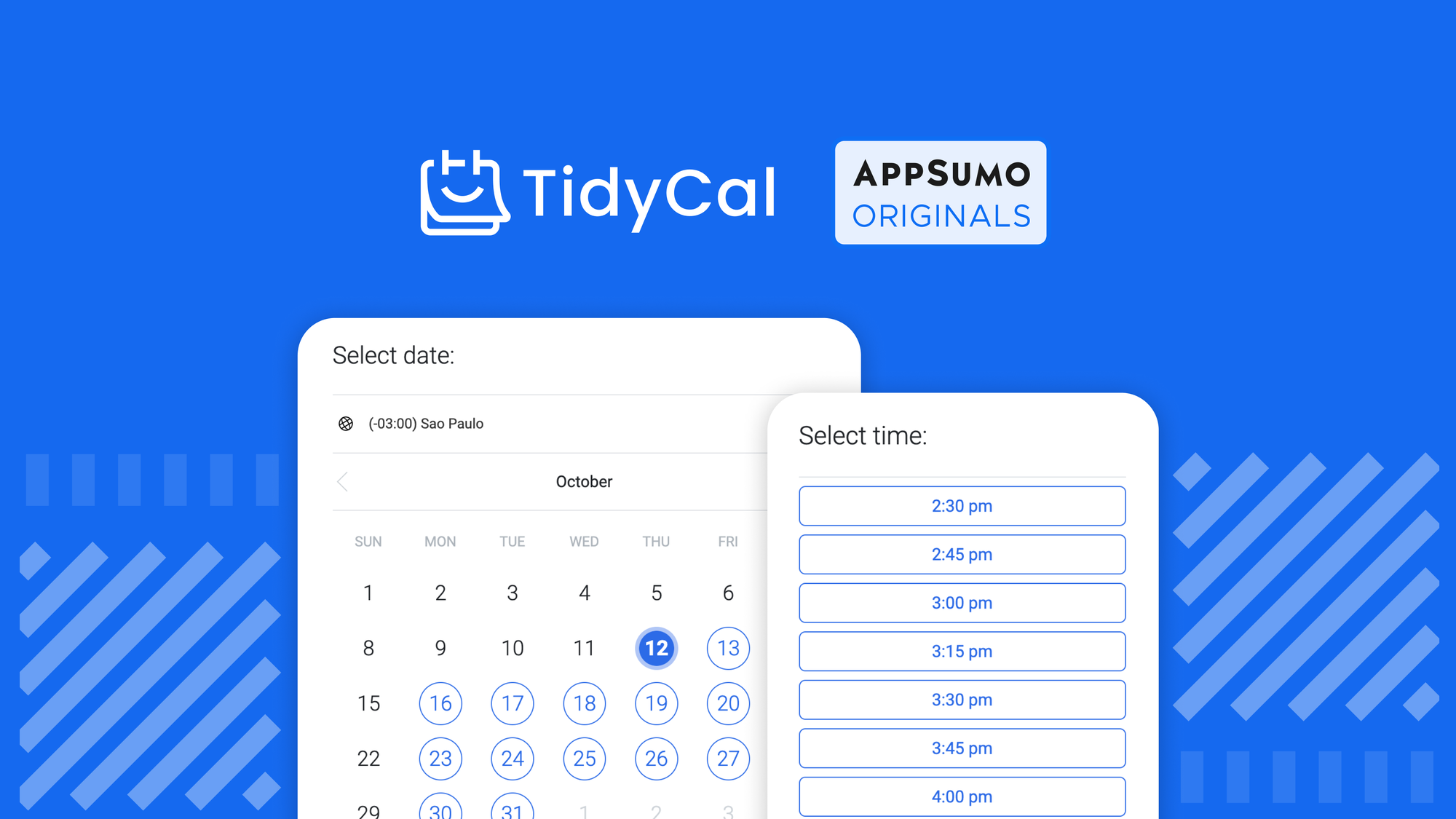
TidyCalOperations Analysis
“Don't build another scheduling tool, build a 'Client-First' scheduler that eliminates the 10-minute setup friction.”
Worth Studying
Demand appears real and the incumbent looks vulnerable enough to justify deeper validation.
Worth Studying
Demand appears real and the incumbent looks vulnerable enough to justify deeper validation.
Medium-High
Based on revenue, reviews, strategy fit, and visible downside signals in the current dataset.
Complaint-backed
This tells you how much of the current read is supported by strong in-platform evidence versus thin or ambiguous signal.
Verify that the workflow users want is valuable enough to stand alone outside the suite.
Builders who want to strip one high-value workflow out of a bloated suite and sell simplicity.
Teams that plan to copy the entire incumbent and compete feature-for-feature.
Calendar API dependencies (Google, Microsoft) create platform risk. Market is crowded, but incumbents are overpriced and over-complicated.
Revenue and review volume suggest this market is real.
Complaints or weak ratings suggest users are not fully satisfied.
There is some willingness to pay, but pricing power is not yet obvious.
There may be a wedge here, but the competitive gap is still ambiguous.
Some search-demand proxy exists, but this still needs a real keyword or trends source for stronger confirmation.
“Price arbitrage. Users are tired of paying $10-20/month per seat for Calendly. They want 'good enough' at a one-time cost.”
Calendar API dependencies (Google, Microsoft) create platform risk. Market is crowded, but incumbents are overpriced and over-complicated.
The 4-Dimension Scorecard
$243k revenue with 838 reviews shows massive demand for affordable scheduling tools. This is a validated, high-volume market.
Rating of 4.4 with high review volume indicates users like it but see room for improvement. This is an opportunity, not a barrier.
No unlimited AI/storage red flags. Core product is a calendar connector - low marginal cost per user. Lifetime deal is defensible.
Competitors are Calendly and Doodle - established players with brand recognition, but also high prices and feature bloat.
The Opportunity Radar
Deep Review Mining & Gap Analysis
Pain & Gaps
"Multiple users explicitly wish for an app. They want to manage bookings on the go, not just through a browser."
"A specific review requested this. Signals users in regions or industries where WhatsApp is the primary business communication tool."
"User noticed a lack of 'automatic integration' - suggests desire for zero-config calendar syncing."
Niche Discovery
"Multiple reviews call it a 'must-have tool for entrepreneurs' and mention using it for 'clients' and 'new business'."
"User mentions 'using it for our clients too' and running 'follow-up series for customers'."
Marketing Angle
The 30-second scheduler for bootstrapped founders who bill clients, not manage software.
Use this angle to position your product against the generic competitors. Focus on the specific pain points identified in the "Pain & Gaps" module.
Counter-Signals
Reasons this opportunity may look better in the dataset than it will feel in the real market.
- Missing mobile app and WhatsApp notifications. Users describe setup as taking 'a few minutes' when they want '30 seconds'.
Sniper Verdict
“Listen to the hate. Build the cure. Steal the revenue.”
Execution Plan
“TidyCal proves the market wants a cheap Calendly alternative, but its 4.4 rating reveals UX friction. The gap is a scheduler so simple it sets up in 30 seconds, with a mobile-first experience for entrepreneurs who live on their phones.”
Build First
- 30-Second Setup Wizard (Pre-filled templates for 'Consultation', 'Discovery Call', 'Follow-up')
- Progressive Mobile Web App (Feels native, works offline, sends native push notifications)
Do Not Start With
- Complex Team Permissions (Distraction for solo founders and tiny teams)
- Custom CSS/Advanced Branding (Costly to build, used by <5% of users)