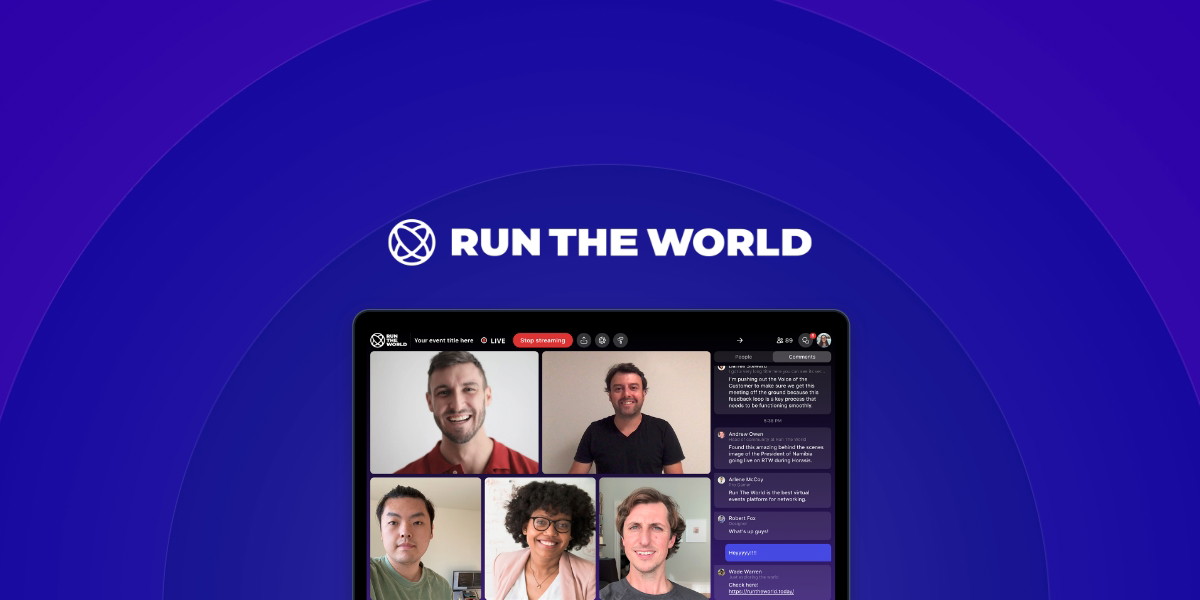
Run The WorldOperations Analysis
“Users love the 'fun' UI but hate the 'predatory' data practices; build the privacy-first, white-label alternative.”
Avoid For Now
Weak signal or poor economics. Only continue if you already have a strong unfair advantage.
Avoid For Now
Weak signal or poor economics. Only continue if you already have a strong unfair advantage.
Low
Based on revenue, reviews, strategy fit, and visible downside signals in the current dataset.
Complaint-backed
This tells you how much of the current read is supported by strong in-platform evidence versus thin or ambiguous signal.
Check whether the complaints also repeat on Reddit, G2, or support-heavy communities.
Founders who can ship a cleaner UX or more reliable version of an already-proven workflow.
Teams chasing deep enterprise contracts or products that require long procurement cycles from day one.
The virtual event space is cooling post-pandemic; focus on 'Workshops' and 'Training' rather than 'Conferences' to ensure recurring utility.
Revenue and review volume suggest this market is real.
Complaints or weak ratings suggest users are not fully satisfied.
Current pricing suggests users may pay enough to support a focused product.
There may be a wedge here, but the competitive gap is still ambiguous.
Still needs off-platform confirmation from search demand, communities, or customer interviews.
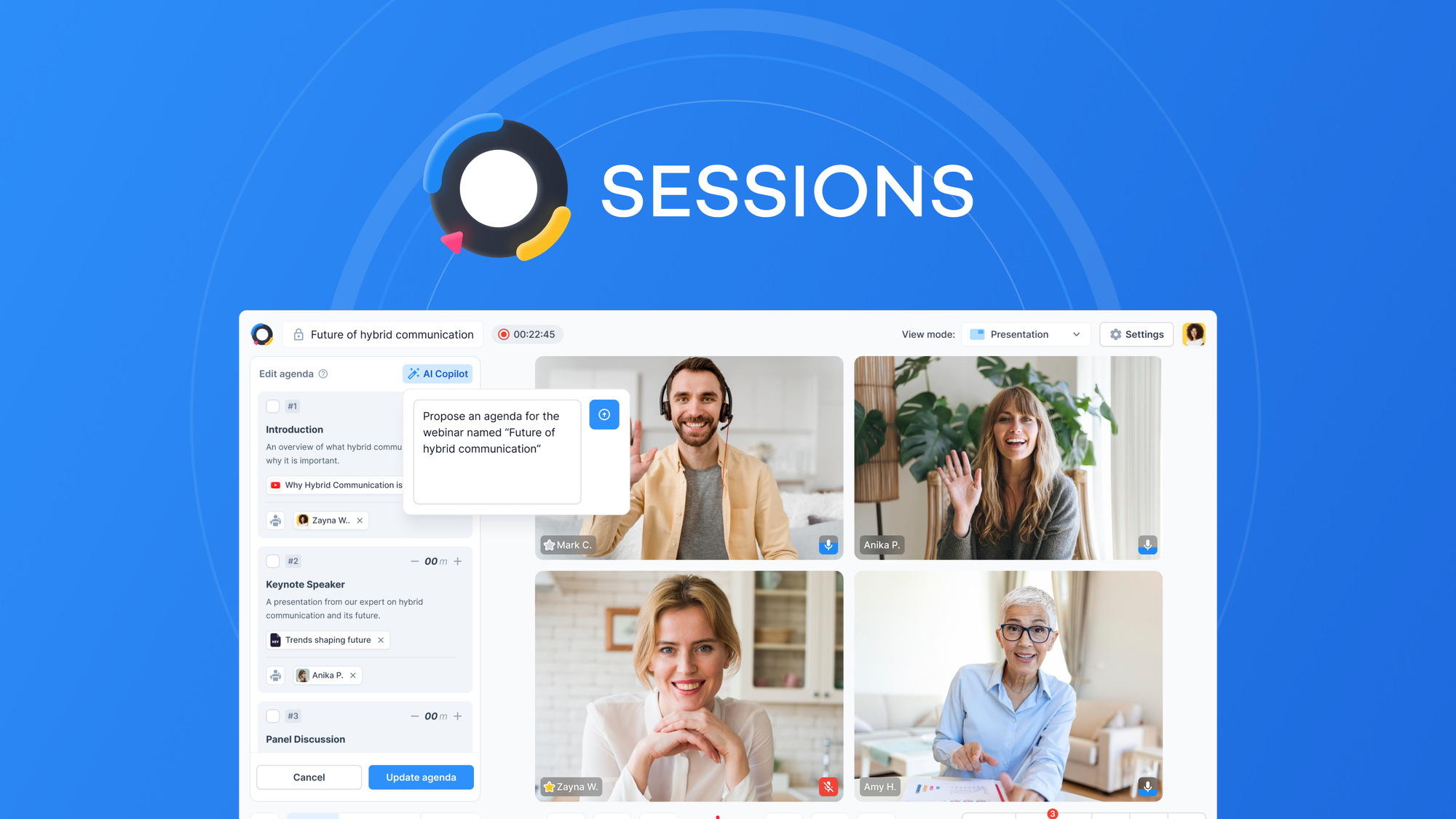
“They want an interactive, 'fun' UI that feels less like a corporate meeting and more like a community gathering.”
The virtual event space is cooling post-pandemic; focus on 'Workshops' and 'Training' rather than 'Conferences' to ensure recurring utility.
The 4-Dimension Scorecard
Mid-tier revenue ($46k) proves demand for 'fun' virtual events, but the low rating shows a failing incumbent.
A 3.5 rating with high volume is a goldmine. Users are desperate for the solution but the current execution is broken.
Unlimited participants for a one-time fee is a financial suicide mission. The recent acquisition 'rug pull' confirms the model failed.
Competing against Zoom/Hopin is hard, but there is a massive gap for mid-market tools that don't 'steal' attendee data.
The Opportunity Radar
Deep Review Mining & Gap Analysis
Pain & Gaps
"The Arabic market is underserved; current tool breaks for Right-to-Left languages."
"Agencies want to hide the platform branding and customize the look."
"Users cannot attend events on the go, making the tool useless for modern networking."
Niche Discovery
"Multiple reviews specifically mention the lack of RTL and PayPal support."
"Reviews highlight 'serious concerns' over marketing lists and data ownership."
Marketing Angle
The virtual event platform that *never* emails your customers. Your data, your brand, your profit.
Use this angle to position your product against the generic competitors. Focus on the specific pain points identified in the "Pain & Gaps" module.
Counter-Signals
Reasons this opportunity may look better in the dataset than it will feel in the real market.
- The platform markets to their attendees (lead theft), lacks GDPR compliance, and restricts session counts to unusable levels.
Sniper Verdict
“Listen to the hate. Build the cure. Steal the revenue.”
Execution Plan
“Create a 'Privacy-First' event platform that focuses on 10-500 person workshops rather than 100k person 'megaconferences'. Fix the RTL and GDPR gaps to capture the EU and MENA markets.”
Build First
- RTL & Multi-language support (Easy win for global markets)
- Strict Data Siloing (Zero marketing to attendees)
- Custom CSS/Branding (Charge a premium for this)
Do Not Start With
- 100k participant support (Infrastructure cost killer)
- In-house video hosting (Use Mux or Twilio to keep dev lean)