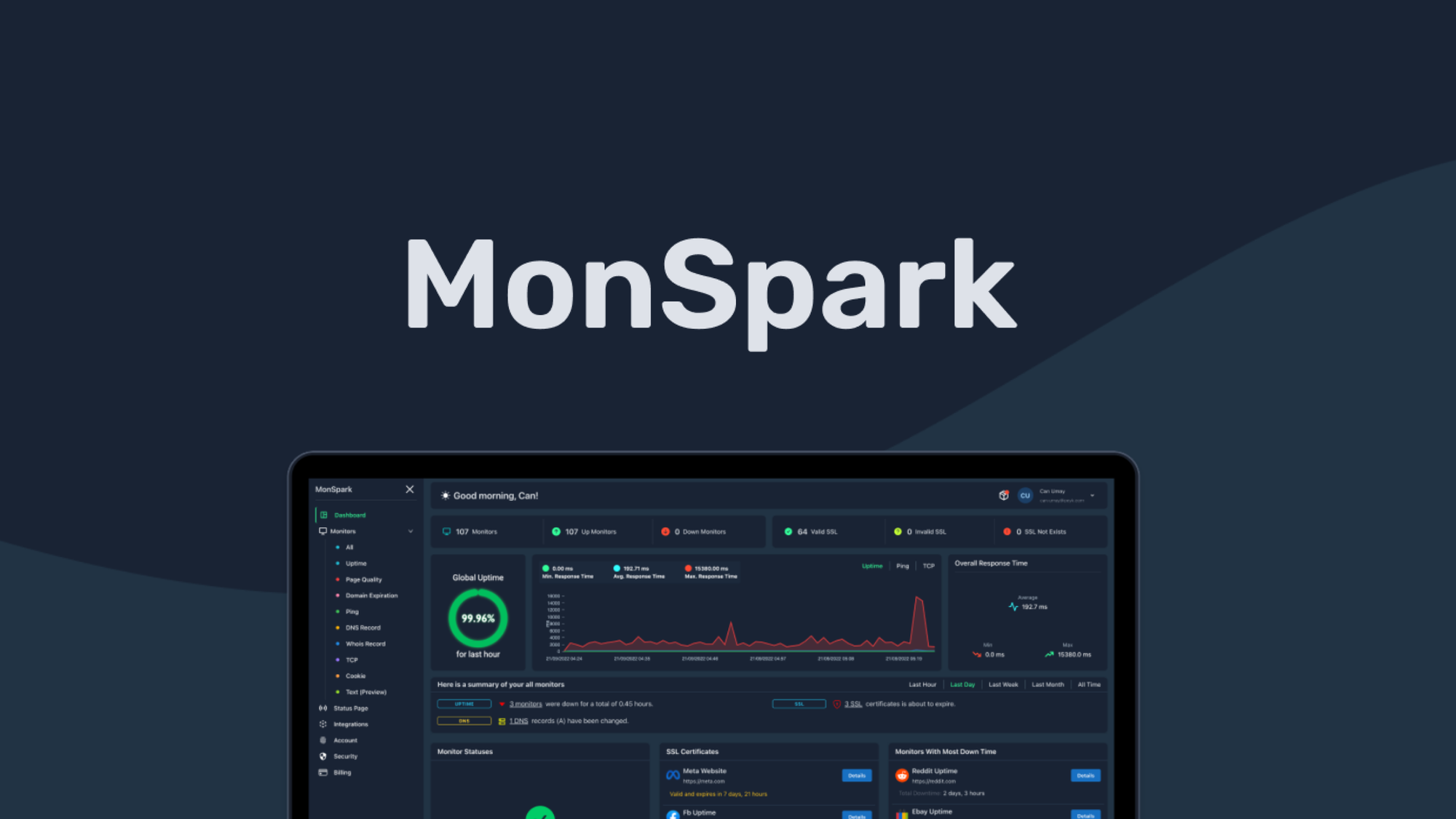
MonSparkDevelopment It Analysis
“Don't build another uptime monitor, build the one with enterprise-grade reliability and support that actually responds.”
Worth Studying
Demand appears real and the incumbent looks vulnerable enough to justify deeper validation.
Worth Studying
Demand appears real and the incumbent looks vulnerable enough to justify deeper validation.
Medium-High
Based on revenue, reviews, strategy fit, and visible downside signals in the current dataset.
Demand exists, wedge unclear
This tells you how much of the current read is supported by strong in-platform evidence versus thin or ambiguous signal.
Confirm that premium pricing reflects real willingness to pay, not edge-case packaging.
Operators who know a niche customer segment and can sell a more specialized premium solution.
Generalist founders with no clear customer segment or no path to higher-value buyers.
Monitoring market is crowded. Differentiation must be extreme reliability + support, not just features. API costs for frequent checks could scale poorly.
Revenue and review volume suggest this market is real.
There are early signs of friction, but not enough to call it a strong wedge.
There is some willingness to pay, but pricing power is not yet obvious.
There may be a wedge here, but the competitive gap is still ambiguous.
Still needs off-platform confirmation from search demand, communities, or customer interviews.
“Consolidation play - users want 'one tool that does everything' instead of managing Pingdom + Statuspage + UptimeRobot separately.”
Monitoring market is crowded. Differentiation must be extreme reliability + support, not just features. API costs for frequent checks could scale poorly.
The 4-Dimension Scorecard
$120K+ revenue shows strong demand for multi-feature monitoring tools.
High rating (4.79) but multiple reviews expose critical support failures - opportunity to differentiate.
Monitoring tools have predictable costs, no unlimited AI/storage red flags.
Competitors are established (Pingdom, Statuspage) but reviews show users juggle multiple tools - opening for consolidation.
The Opportunity Radar
Deep Review Mining & Gap Analysis
Pain & Gaps
"Level 3 monitors failing with no support response - enterprise users need rock-solid reliability."
"Multiple mentions of status page features as key differentiator - suggests market gap."
Niche Discovery
"Explicit mention of Canadian software agency buying Tier-5 license"
"Multiple references to server monitoring, hosting infrastructure, and needing 'set and forget' reliability"
Marketing Angle
The monitoring tool that actually answers support tickets - because downtime is stressful enough.
Use this angle to position your product against the generic competitors. Focus on the specific pain points identified in the "Pain & Gaps" module.
Counter-Signals
Reasons this opportunity may look better in the dataset than it will feel in the real market.
- Abysmal support response times (weeks), broken promises on feature delivery, and reliability concerns at higher tiers.
Sniper Verdict
“Listen to the hate. Build the cure. Steal the revenue.”
Execution Plan
“MonSpark proves demand for consolidated monitoring but fails at enterprise reliability and support. Build a tool with 99.9% monitor uptime and 24-hour support SLA. Target agencies who can't afford monitoring failures.”
Build First
- Core uptime monitoring with 100% reliability guarantee (chargeback if fails)
- 24-hour support SLA with public response time dashboard
- Basic status pages included in all tiers
Do Not Start With
- 1000 monitor tiers (start with 50 max - ensure reliability first)
- AI/ML features (distraction from core reliability problem)
- Mobile apps (web-first, perfect for DevOps teams)