DMARC ReportOperations Analysis
“Don't build another DMARC tool—build the DMARC tool for a specific industry that actually needs to understand the reports.”
Worth Studying
Demand appears real and the incumbent looks vulnerable enough to justify deeper validation.
Worth Studying
Demand appears real and the incumbent looks vulnerable enough to justify deeper validation.
Medium-High
Based on revenue, reviews, strategy fit, and visible downside signals in the current dataset.
Demand exists, wedge unclear
This tells you how much of the current read is supported by strong in-platform evidence versus thin or ambiguous signal.
Confirm that premium pricing reflects real willingness to pay, not edge-case packaging.
Operators who know a niche customer segment and can sell a more specialized premium solution.
Generalist founders with no clear customer segment or no path to higher-value buyers.
Market is validation-heavy but niche. DMARC Report has strong loyalty ('multi-year user'). Competing on features alone will fail—must compete on audience specificity.
Revenue and review volume suggest this market is real.
There are early signs of friction, but not enough to call it a strong wedge.
There is some willingness to pay, but pricing power is not yet obvious.
There may be a wedge here, but the competitive gap is still ambiguous.
Still needs off-platform confirmation from search demand, communities, or customer interviews.
“Fear of email deliverability failure and security breaches. DMARC is a compliance checkbox that most don't understand—they buy clarity.”
Market is validation-heavy but niche. DMARC Report has strong loyalty ('multi-year user'). Competing on features alone will fail—must compete on audience specificity.
The 4-Dimension Scorecard
$150k+ revenue with 218 reviews shows strong market validation. High-ticket SaaS model proven.
4.83 rating is dangerously high—indicates satisfied users and strong product-market fit. Barrier to entry is significant. However, negative reviews reveal UX cracks.
DMARC monitoring is a recurring need with predictable infrastructure costs. No unlimited AI/storage traps. Compliance-driven = sticky.
Competitors like EasyDMARC and DMARCLY exist, but market isn't dominated by giants. Many users come from free/DIY solutions.
The Opportunity Radar
Deep Review Mining & Gap Analysis
Pain & Gaps
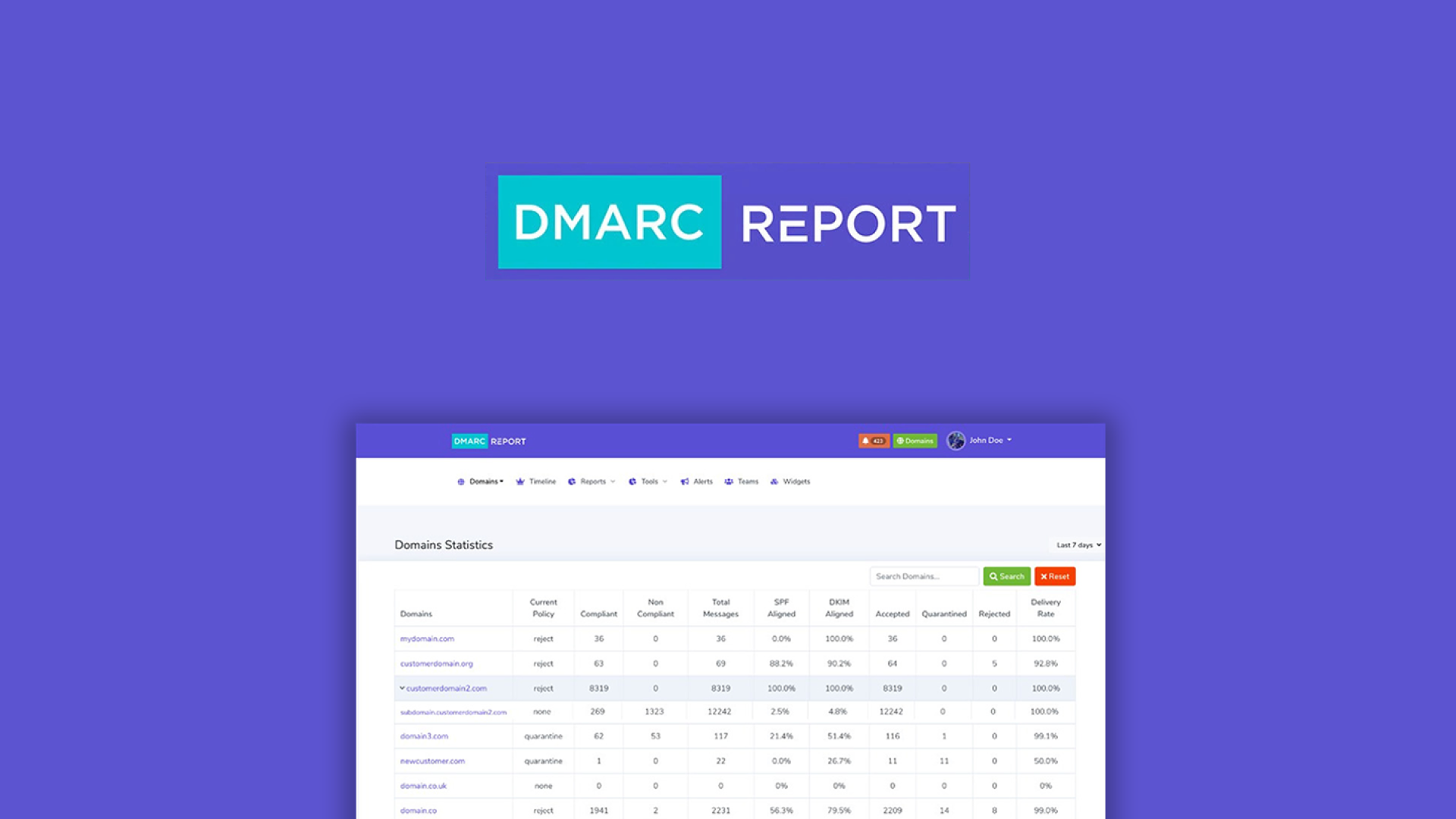
"Users mention 'business' domains, agencies, and specific use cases but get generic technical reports."
"No mention of alerting—users have to check the dashboard. Missed opportunity for 'set and forget' value."
Niche Discovery
"Multiple reviews mention 'deliverability', 'send more emails', and managing multiple client domains."
"Specific callouts to Microsoft's ecosystem and free tools—clear migration path."
Marketing Angle
DMARC reports you can actually understand—built for [Industry] teams who need clarity, not just data.
Use this angle to position your product against the generic competitors. Focus on the specific pain points identified in the "Pain & Gaps" module.
Counter-Signals
Reasons this opportunity may look better in the dataset than it will feel in the real market.
- UX is 'really bad' (direct quote). Support inconsistencies—some praise it, others get ghosted. Tool feels like a technical dashboard, not a solution.
Sniper Verdict
“Listen to the hate. Build the cure. Steal the revenue.”
Execution Plan
“The incumbents serve the technical audience with complex dashboards. The gap is a DMARC tool for non-technical business owners and marketers in specific verticals (e.g., e-commerce, agencies) who need actionable insights, not raw data.”
Build First
- Industry-specific dashboard templates (e.g., 'E-commerce Deliverability Scorecard')
- Plain-language alerts and recommendations ('Your authentication dropped—here's the 1-click fix')
Do Not Start With
- Advanced forensic report parsing (too technical, high dev cost)
- Custom API integrations (distraction—focus on core UX first)